Reviving the Roaring Twenties: The Enduring Appeal of Art Deco Frames and Corners
The visual language of the 1920s and 30s never truly faded; it merely waited for the right moment to return. Today, that moment is here, driven by a renewed appreciation for geometry, luxury, and bold structural lines. At the heart of this aesthetic revival are two critical elements: the Art Deco frame and the vintage decorative corner. Whether you are a graphic designer crafting a wedding invitation, an interior decorator staging a luxury hotel lobby, or a hobbyist digitizing old family photographs, understanding how to utilize these assets can transform a mundane project into a statement piece.
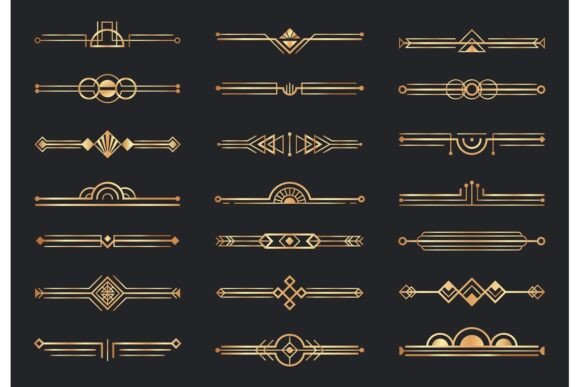
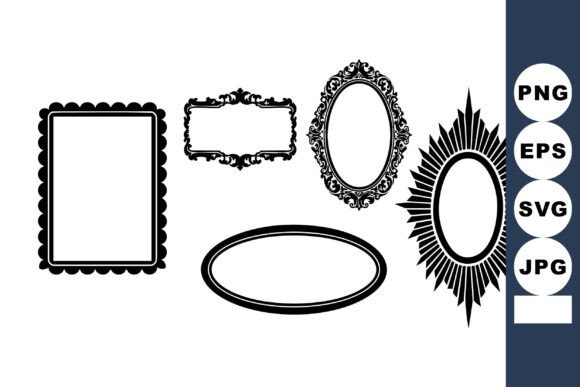
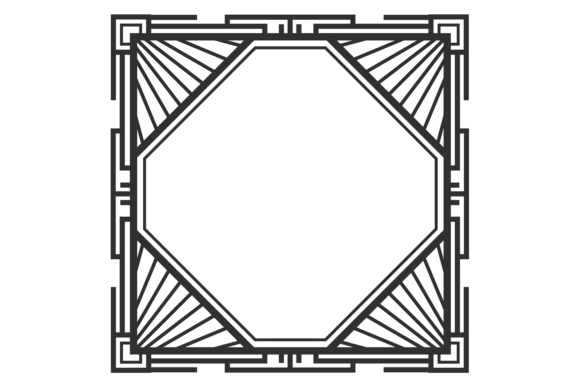
When we talk about an Art Deco frame, we are not just discussing a border. We are talking about a specific architectural philosophy applied to decoration. Characterized by symmetrical patterns, stepped forms, and sunburst motifs, these frames evoke the glamour of the Jazz Age. However, in the modern digital workflow, the utility of these designs extends far beyond physical wood or metal. The availability of high-quality digital assets—specifically those offered in EPS, JPG, SVG, and transparent PNG formats—has democratized access to this style, allowing creators to isolate and manipulate vintage decorative corners with unprecedented ease.
The Anatomy of a Perfect Border
To effectively use these elements, one must first understand what makes them distinct. An authentic Art Deco frame relies heavily on linear progression. Unlike the organic, flowing curves of the preceding Art Nouveau movement, Deco is rigid, mathematical, and confident. A typical design might feature a series of concentric rectangles that step inward, creating a sense of depth and perspective even on a flat surface.
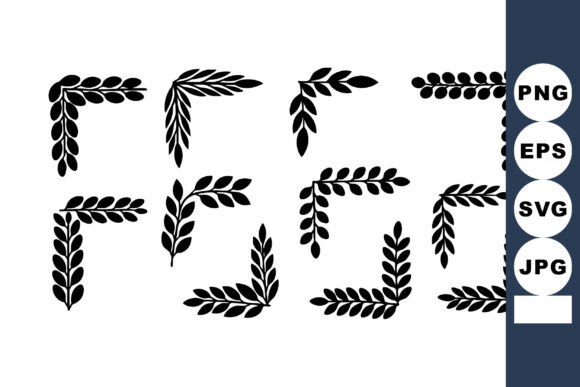
This is where the vintage decorative corner becomes indispensable. In many design projects, a full rectangular frame is too restrictive or simply unnecessary. Sometimes, the content needs to breathe, requiring only a subtle accent at the vertices of a page or screen. A standalone corner element allows for this flexibility. When isolated on a white background or provided as a transparent PNG, these corners can be rotated, mirrored, and scaled to fit any canvas size without losing resolution or aesthetic integrity.
Consider the practical application in branding. A boutique coffee shop looking to establish a "speakeasy" vibe might not need a heavy border around their entire menu. Instead, placing intricate vintage decorative corners at the top and bottom of the text columns creates an immediate psychological association with the era. It suggests sophistication without cluttering the whitespace that modern typography demands.
Navigating File Formats for Maximum Flexibility
The true power of modern design lies in the versatility of file formats. When sourcing an Art Deco frame or corner set, the difference between a JPG and an SVG can dictate the success of your project. Here is how each format serves a specific purpose in your creative toolkit:
- Transparent PNG: This is the workhorse for web design and quick compositing. Because the background is already removed, you can drag and drop a vintage decorative corner directly onto a photograph or a colored background in software like Photoshop or Canva. There is no need to wrestle with magic wands or clipping masks.
- SVG (Scalable Vector Graphics): For logos, large-scale printing, or responsive web elements, SVG is king. These files use mathematical paths rather than pixels, meaning you can scale an Art Deco frame from the size of a business card to a billboard without any loss of quality. Furthermore, SVG code can often be edited to change colors programmatically, allowing for dynamic themes on websites.
- EPS (Encapsulated PostScript): The industry standard for professional print. If you are sending files to a commercial printer for high-end stationery or packaging, EPS ensures that the crisp lines of your vintage decorative corner remain sharp. It preserves layers and editing capabilities within vector software like Adobe Illustrator.
- JPG: While less flexible due to its fixed background (often white), JPGs are universally compatible and lightweight. They are ideal for mockups, presentations, or situations where the end-user does not have advanced design software.
Having access to a bundle that includes all four formats future-proofs your assets. You might start a project needing a quick JPG for a social media post, only to realize later that you need the vector EPS for a printed brochure. Starting with a comprehensive set saves time and ensures brand consistency across different media.
Integrating Vintage Aesthetics into Modern Workflows
The challenge many designers face is avoiding the "costume" look. Slapping a random Art Deco frame onto a modern layout can feel disjointed if not handled with care. The key is integration. The geometric nature of Deco actually pairs surprisingly well with modern minimalist design. Both styles value structure and clarity.
For example, in wedding invitations, there is a growing trend of mixing eras. Couples often want the elegance of the past with the readability of the present. By using a subtle vintage decorative corner border isolated on a white background, designers can frame the essential details (names, dates, locations) while leaving the center open for clean, sans-serif typography. This juxtaposition highlights the ornate details of the corner while ensuring the information remains legible.
In the realm of digital publishing and eBooks, these elements serve as excellent chapter dividers. A full-page Art Deco frame might be too heavy for a Kindle screen, but a small, repeating pattern derived from the corner motifs can create a textured background that adds depth without distracting from the text. The transparency of PNG files allows these textures to sit comfortably behind paragraphs, adding a layer of tactile richness to the digital reading experience.
Selection Criteria: What to Look For
Not all digital assets are created equal. When hunting for the perfect Art Deco frame or corner set, several factors should influence your decision. First, examine the line weight. Authentic Deco designs often utilize varying line thicknesses to create contrast. If the lines are too uniform, the design may lack the dynamic energy characteristic of the style.
Second, check the complexity of the vintage decorative corner. Some designs are incredibly intricate, featuring floral motifs mixed with geometric shapes (a style known as Zigzag Moderne). Others are purely geometric, relying on triangles and chevrons. Your choice should depend on the density of your content. A highly detailed corner works best with ample whitespace; if your layout is text-heavy, a simpler, bolder corner will provide definition without visual noise.
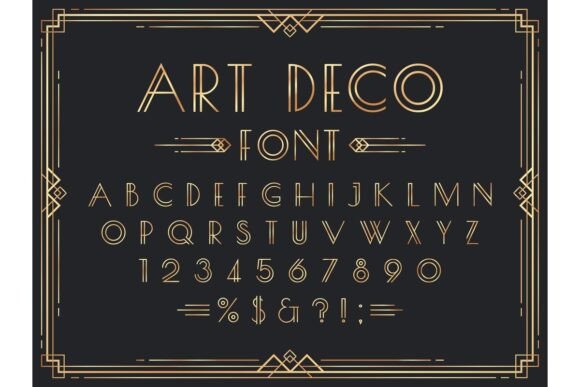
Finally, consider the color palette. While many assets come in black and white for maximum versatility, some sets offer gold, silver, or sepia tones. A gold-toned Art Deco frame can instantly elevate a perceived value of a product, making it ideal for luxury goods marketing. However, ensure that the metallic effect is rendered correctly in the file format you choose; sometimes a flat color in an SVG is easier to recolor than a complex gradient in a JPG.
Practical Applications Across Industries
The utility of these design elements stretches across various sectors. In the hospitality industry, hotels and restaurants frequently use vintage decorative corners on menus, coasters, and signage to evoke a sense of timeless class. The psychological impact is immediate: the customer perceives the establishment as established and refined.
In the fashion industry, lookbooks and packaging often employ Art Deco frames to suggest heritage and craftsmanship. A jewelry box adorned with a precise, geometric border implies that the contents are equally precise and valuable. Even in tech, startups aiming for a "retro-future" brand identity might incorporate stylized Deco elements into their UI design to stand out from the sea of flat, colorful icons that dominate the current market.
For the DIY enthusiast and scrapbooker, the accessibility of these files is a game-changer. With a home printer and some cardstock, one can print out vintage decorative corner borders isolated on white background to create custom gift tags, journal embellishments, or party decorations. The ability to resize these elements means they can fit anything from a small favor box to a large poster board.
The Timelessness of Geometry
Ultimately, the enduring popularity of the Art Deco frame lies in its foundation: geometry. Trends in swirls, florals, and hand-drawn imperfections come and go, but the straight line and the perfect angle are eternal. By incorporating these elements into your work, you are tapping into a visual tradition that celebrates order, optimism, and human ingenuity.
Whether you are restoring an old photograph and need a period-accurate border, or designing a sleek new app interface that needs a touch of historical flair, the right vintage decorative corner can bridge the gap between past and present. The availability of these assets in versatile formats like EPS, JPG, SVG, and transparent PNG ensures that no matter your skill level or software preference, the glamour of the Art Deco era is just a click away. Embrace the symmetry, respect the lines, and let these vintage elements add a layer of distinguished character to your next creative endeavor.