Evaluating the Vintage Decorative Frames Collection for Timeless Design Projects
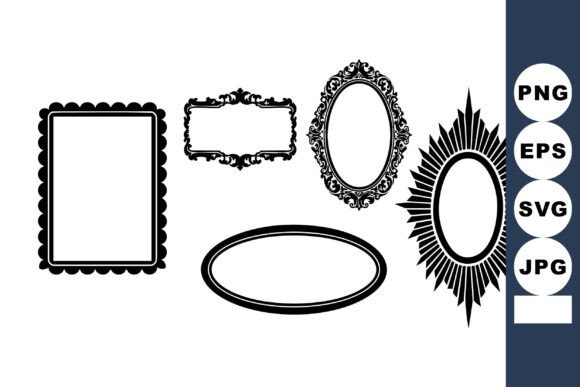
Integrating historical aesthetics into modern digital or print media requires more than just a filter; it demands authentic structural elements that convey a sense of history and craftsmanship. The Vintage Decorative Frames Collection serves as a specialized resource for designers, historians, and content creators seeking to replicate the ornate elegance of past eras. This asset pack distinguishes itself by offering a curated selection of oval and rectangular borders characterized by intricate, classic designs. Unlike generic clip art, these vectors are engineered to provide a calm, timeless style that elevates the perceived value of the content they enclose.
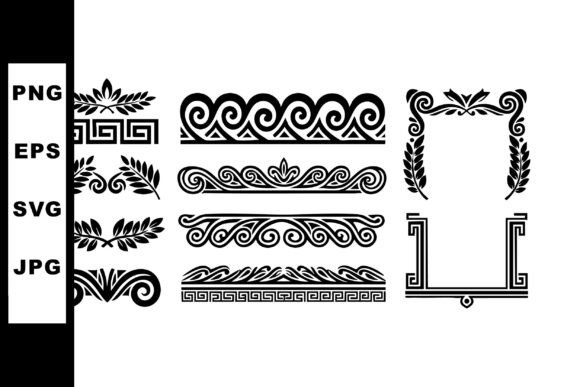
When evaluating design resources, understanding the specific composition of a collection is vital. This particular set focuses on the interplay between complex detailing and balanced negative space. The frames feature scrollwork, floral motifs, and geometric patterns typical of Victorian, Edwardian, and Art Nouveau periods. The inclusion of both oval and rectangular shapes addresses the two most common framing needs in portraiture and document presentation. For professionals comparing various stock assets, the distinction here lies in the "calm" aesthetic; many vintage collections lean towards distressed, grunge, or overly busy textures. In contrast, this collection prioritizes clean lines and refined ornamentation, making it suitable for high-end branding, formal invitations, and archival presentations where clarity is paramount.
Technical Versatility and File Format Analysis
A critical factor in selecting a design resource is its adaptability across different workflows. The Vintage Decorative Frames Collection is distributed as a downloadable ZIP archive containing SVG, EPS, JPG, and PNG files. This multi-format approach caters to a wide spectrum of users, from vector illustrators to social media managers.
- SVG (Scalable Vector Graphics): Ideal for web developers and UI designers. These files remain crisp at any resolution, allowing frames to be scaled for mobile screens or large monitors without pixelation. They can also be manipulated via CSS for hover effects or color changes.
- EPS (Encapsulated PostScript): The industry standard for professional print design. Users working in Adobe Illustrator or CorelDRAW can edit individual nodes, adjust stroke weights, and separate colors for spot printing. This format offers the highest degree of customization for large-scale projects like posters or packaging.
- PNG (Portable Network Graphics): Best for rapid deployment in digital documents, presentations, or web layouts where transparency is required. The included PNGs typically come with transparent backgrounds, eliminating the need for manual masking.
- JPG (Joint Photographic Experts Group): Suitable for quick previews or contexts where file size is a stricter constraint than transparency, though less flexible for layering.
Comparing this to collections that offer only raster images (JPG/PNG), the inclusion of vector formats (SVG/EPS) significantly extends the utility of the product. Raster-only frames often suffer from aliasing when resized, limiting their use to specific dimensions. By providing editable vectors, this collection allows users to modify the intricate details—such as thickening a border for better visibility or simplifying a pattern for minimalism—without losing quality.
Stylistic Comparison: Ornate vs. Minimalist Approaches
Designers often face a choice between minimalist frameworks and ornate decorations. The Vintage Decorative Frames Collection firmly occupies the latter category, but with a specific nuance. While some baroque-style frames can feel heavy or oppressive, the "calm" descriptor associated with this set suggests a measured approach to decoration. The intricacy is present but organized, creating a border that draws the eye inward rather than distracting from the central subject.
When contrasting this with modern minimalist frames, the trade-offs become clear. Minimalist frames rely on thin lines and ample white space, projecting a contemporary, sterile, or corporate feel. They are excellent for tech products or modern architecture photography but may lack the emotional warmth required for heritage brands, wedding stationery, or historical storytelling. Conversely, the vintage ornate style evokes trust, tradition, and luxury. However, it requires careful pairing. Placing a highly detailed vintage frame around a chaotic or low-resolution image can result in visual clutter. The best-fit situation for this collection involves high-quality portraits, certificates, or text-heavy layouts that benefit from a structured, classical boundary.
Practical Applications and Use Cases
The versatility of the oval and rectangular shapes within this collection opens up diverse application scenarios. Understanding where these frames add the most value helps in deciding whether this resource fits a specific project roadmap.
- Certificates and Awards: The rectangular options with corner flourishes are traditionally used for diplomas and recognition awards. The vector nature ensures that text can be aligned perfectly within the inner bounds, maintaining legibility while adding prestige.
- Wedding and Event Invitations: Oval frames are particularly effective for couple portraits or monograms. The intricate designs align well with formal typography, creating a cohesive invitation suite that feels bespoke rather than template-based.
- Book Covers and Editorial Layouts: For genres such as historical fiction, classics, or biographies, these frames provide an immediate visual cue regarding the book's tone. They can be used to frame author photos or central illustrations, grounding the cover design in a specific era.
- Social Media Branding: Luxury brands and artisans often use consistent framing to create a recognizable feed aesthetic. Using the PNG versions of these frames can unify a grid of disparate photos, giving an Instagram profile a curated, gallery-like appearance.
Limitations and Decision Factors
While the Vintage Decorative Frames Collection offers significant advantages, it is not a universal solution for every design challenge. Potential users must evaluate their specific needs against the inherent characteristics of the style.
Visual Weight: The primary limitation of ornate frames is their visual weight. In a layout that already contains heavy textures, complex backgrounds, or dense typography, adding an intricate frame may overwhelm the viewer. In such cases, a simpler border or no border at all might be the superior choice. Designers should consider the principle of subtraction; if the frame competes with the content, it fails its purpose.
Color Constraints: Although vector files allow for color changes, the default designs are often optimized for black, gold, or sepia tones to maintain the vintage illusion. Adapting these frames to neon or vibrant modern palettes can sometimes break the illusion of authenticity, making the design look disjointed. If a project requires bright, saturated colors, the user must be prepared to spend time adjusting gradients and shadows to ensure the frame looks intentional rather than mismatched.
Contextual Relevance: Finally, the appropriateness of the style depends heavily on the target audience. For a youthful, avant-garde brand targeting Gen Z, a classic ornate frame might perceive as outdated or stuffy unless used ironically or in a very specific collage style. For audiences valuing heritage, stability, and elegance, however, this collection hits the mark precisely.
Making the Final Selection
Choosing the right framing resource ultimately comes down to the narrative you wish to tell. If the goal is to communicate innovation, speed, or futuristic concepts, alternative resources featuring sleek lines and abstract shapes would be more appropriate. However, if the objective is to evoke a sense of permanence, quality, and refined taste, the Vintage Decorative Frames Collection provides a robust foundation.
The availability of multiple file formats reduces the technical barrier to entry, allowing both novice users utilizing drag-and-drop editors and professional vector artists to utilize the assets effectively. The combination of oval and rectangular shapes covers the majority of standard composition needs, reducing the necessity to purchase multiple disparate packs. By offering a "calm" interpretation of vintage design, this collection avoids the kitsch often associated with retro graphics, positioning itself as a sophisticated tool for serious design work.
In conclusion, this collection represents a strategic investment for portfolios requiring classical elements. It bridges the gap between historical authenticity and modern digital flexibility. Before downloading, users should review their current project palettes and layout densities to ensure the ornate details will enhance rather than obscure their core message. When applied with discretion, these frames transform ordinary images into curated artifacts, lending an air of timeless elegance that few other design elements can achieve.