Mastering Visual Depth with Paint Brush Stroke with Realistic Oil Texture
In the rapidly evolving landscape of digital design, there is a persistent and growing desire to bridge the gap between the sterile precision of pixels and the organic warmth of traditional art. Designers, marketers, and content creators are increasingly turning to assets that mimic physical media to add soul to their projects. Among the most versatile tools for achieving this effect is the Paint Brush Stroke with Realistic Oil Texture. This resource is not merely a graphic element; it is a gateway to adding tactile depth, emotional resonance, and professional polish to a wide array of visual communications.
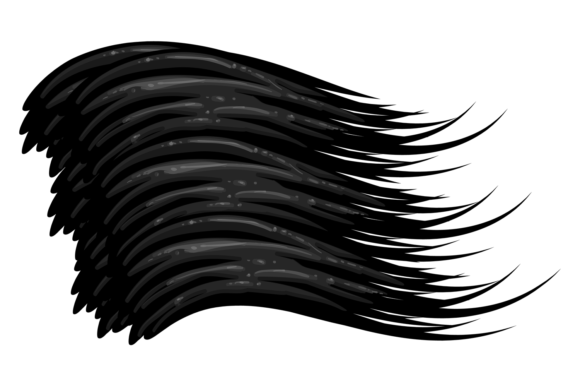
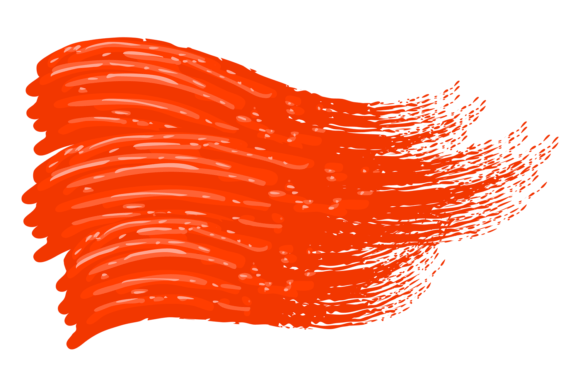
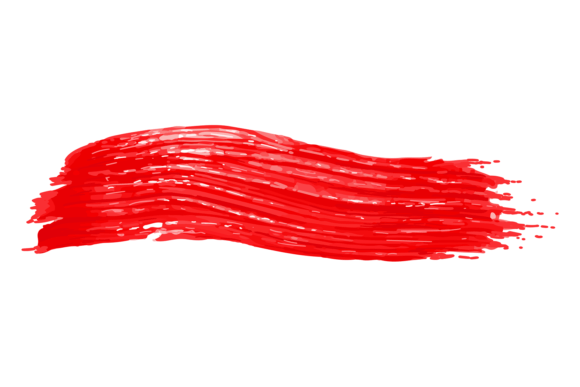
When we discuss a Paint Brush Stroke with Realistic Oil Texture, we are referring to high-fidelity digital reproductions of actual paint applied to a surface. Unlike flat vector shapes or simple gradients, these assets capture the complex interplay of light, shadow, and viscosity that characterizes real oil paint. The availability of these textures in multiple formats—specifically EPS, JPG, SVG, and transparent PNG—ensures that they can be seamlessly integrated into workflows ranging from print production to web development.
The Anatomy of Realism in Digital Assets
What sets a high-quality brush stroke apart from a generic graphic is the attention to detail in its texture. Real oil paint has body; it sits on top of the canvas, creating ridges, peaks, and valleys that catch light differently depending on the angle. A superior Paint Brush Stroke with Realistic Oil Texture replicates this three-dimensional quality even within a two-dimensional file.
The magic lies in the isolation of these elements. When provided as a transparent PNG, the brush stroke is freed from any background constraints. This allows designers to layer the texture over photographs, solid colors, or intricate patterns without unsightly white boxes or jagged edges. The transparency ensures that only the paint itself interacts with the underlying layers, creating a convincing illusion that the paint was applied directly to the final medium.
Furthermore, the inclusion of EPS and SVG formats addresses the need for scalability. While raster images like JPGs and PNGs rely on pixels, vector formats (EPS and SVG) use mathematical paths. This means a Paint Brush Stroke with Realistic Oil Texture saved as an SVG can be enlarged to the size of a billboard or shrunk to the size of a mobile icon without losing a single ounce of crispness. For professionals working across diverse media, this flexibility is invaluable.
Why Choose Oil Texture Over Flat Design?
For over a decade, "flat design" dominated the digital space. While clean and functional, it often lacked personality. The pendulum is swinging back toward textures that evoke human touch. Here is why incorporating a Paint Brush Stroke with Realistic Oil Texture can elevate your work:
- Emotional Connection: Organic shapes and textures feel more human and less corporate. They subconsciously signal creativity and authenticity to the viewer.
- Visual Hierarchy: A bold, textured stroke can draw the eye to a specific headline or call-to-action more effectively than a standard underline or box.
- Brand Differentiation: In a sea of uniform geometric logos and icons, a custom-looking oil stroke helps a brand stand out as unique and artisanal.
- Depth and Dimension: The realistic shading inherent in oil textures adds a layer of sophistication that flat colors simply cannot achieve.
Practical Applications Across Industries
The utility of a Paint Brush Stroke with Realistic Oil Texture extends far beyond fine art reproduction. Its adaptability makes it a staple for various sectors. Consider the following real-world scenarios where these assets shine:
Branding and Logo Design
Small businesses, particularly those in the culinary, craft, or wellness industries, often seek to convey a sense of handmade quality. A logo incorporating a realistic oil stroke can suggest that a product is crafted with care rather than mass-produced. When using the SVG version, a designer can recolor the stroke to match brand guidelines perfectly while retaining the intricate texture details.
Digital Marketing and Social Media
In the crowded feed of social media, stopping the scroll is paramount. Using a transparent PNG of an oil brush stroke as a background element behind text can make a promotional post pop. It breaks the monotony of standard templates. For instance, a "Sale" banner becomes more urgent and dynamic when the text appears to be painted over a rough, energetic stroke.
Web Design and UI Elements
Modern websites often use "hero" sections to make a first impression. Integrating a Paint Brush Stroke with Realistic Oil Texture as a subtle overlay or a divider between sections can guide the user's eye naturally down the page. Because web performance is critical, designers might opt for the JPG format for photographic backgrounds where slight compression is acceptable, reserving the PNG for foreground elements requiring sharp transparency.
Packaging and Print Media
For physical products, the tactile expectation is high. When designing packaging, using a high-resolution EPS file ensures that the print output captures every nuance of the oil texture. This is crucial for wine labels, cosmetic boxes, or book covers where the visual suggestion of texture can influence the perceived quality of the product inside.
Evaluating File Formats for Your Project
Understanding the differences between the available file types is essential for maximizing the value of your Paint Brush Stroke with Realistic Oil Texture download. Each format serves a distinct purpose in the creative pipeline:
- Transparent PNG: This is the go-to for digital composition. It supports millions of colors and maintains a sharp alpha channel (transparency). Use this when layering strokes over complex backgrounds in Photoshop or Canva.
- SVG (Scalable Vector Graphics): Ideal for web developers and logo designers. SVGs are code-based, meaning they load quickly on websites and scale infinitely. However, ensure the SVG retains the texture details, as some simplified vectors may lose the "grit" of the oil paint.
- EPS (Encapsulated PostScript): The industry standard for professional printing. If your project involves large-format printing or needs to be edited in Adobe Illustrator with full control over paths and clipping masks, EPS is the superior choice.
- JPG: Best for situations where file size is a concern and transparency is not needed. If you are using the stroke as a full-background image where the edges will be cropped out, a high-quality JPG offers a good balance of detail and efficiency.
Considerations and Limitations
While a Paint Brush Stroke with Realistic Oil Texture is a powerful tool, it must be used with intention. Overusing textures can lead to visual clutter, making a design feel messy rather than artistic. It is vital to consider the context. A sleek, tech-focused corporate report might not benefit from heavy oil textures, whereas a creative portfolio would thrive with them.
Additionally, resolution matters. When working with raster formats like JPG and PNG, always check the DPI (dots per inch). For screen use, 72 DPI is standard, but for print, you generally need 300 DPI to avoid pixelation. The beauty of having access to EPS and SVG files is that they mitigate this risk entirely, offering resolution independence.
Integrating Texture into Your Workflow
Adopting these assets into your daily workflow requires a shift in mindset from "placing images" to "composing layers." Start by selecting a stroke that matches the mood of your project. Is the energy frantic and splattered, or calm and smooth? Once selected, experiment with blending modes in your design software. Modes like "Multiply," "Overlay," or "Soft Light" can interact with the Paint Brush Stroke with Realistic Oil Texture to integrate it further with the background, making it look even more authentic.
Remember, the goal is enhancement, not distraction. The texture should support the message, not overpower it. By thoughtfully applying a Paint Brush Stroke with Realistic Oil Texture, you invite your audience to experience your content on a deeper, more sensory level. Whether you are a seasoned graphic designer or a small business owner creating your own marketing materials, these tools democratize high-end aesthetic appeal, allowing anyone to create visuals that feel tangible, warm, and undeniably human.
In conclusion, the versatility offered by the combination of EPS, JPG, SVG, and transparent PNG formats ensures that no matter the medium, there is a version of the asset ready to perform. Embrace the imperfection and richness of oil textures to bring your next project to life.