Elevating Your Designs with Black Brush Stroke Texture and Creative Grunge
In the world of graphic design, the difference between a flat, lifeless composition and a dynamic, engaging piece often comes down to texture. Designers are constantly searching for elements that add depth, character, and a sense of authenticity to their work. This is where the Black Brush Stroke Texture combined with Creative Gru (grunge) aesthetics becomes an indispensable resource. Whether you are crafting a vintage poster, designing a modern logo, or adding grit to a digital illustration, these assets provide the raw, organic feel that vector shapes alone cannot achieve.
The term "Creative Gru" refers to a stylistic approach that embraces imperfection, decay, and the rugged beauty of worn surfaces. When paired with bold black brush strokes, this style creates a powerful visual language that speaks of energy, movement, and history. Understanding how to effectively utilize these textures can transform your workflow and elevate the quality of your final output.
Understanding the Aesthetic: More Than Just Dirt
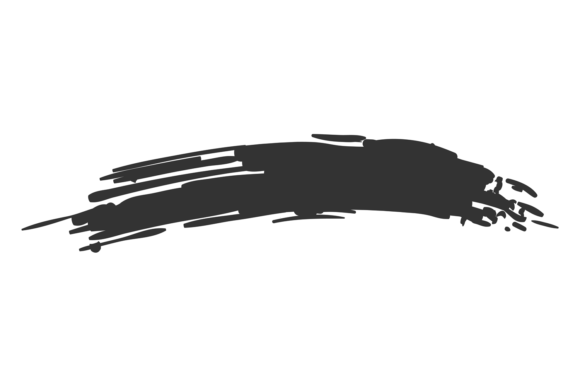
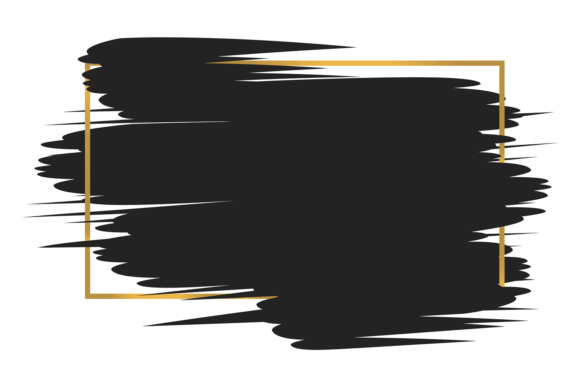
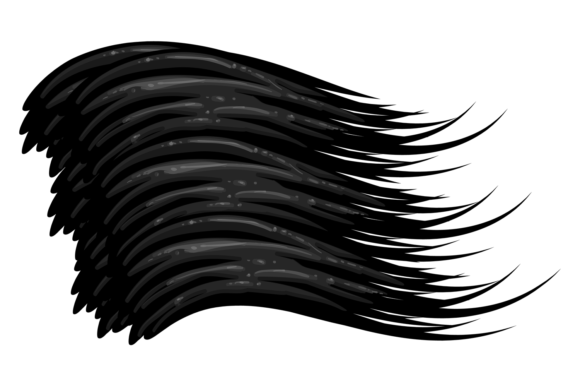
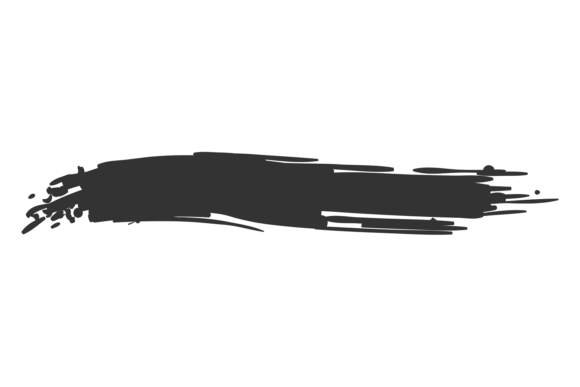
At its core, a Black Brush Stroke Texture is a digital representation of paint applied with force and speed. However, when we talk about the specific asset described as "Creative grungy dirt isolated on white background," we are referring to a versatile toolkit. These are not merely random smudges; they are carefully captured or generated elements that mimic the unpredictability of traditional media.
The "grungy dirt" aspect introduces noise, scratches, and uneven distributions of ink. This combination solves a common problem in digital design: the "too perfect" look. Computer-generated graphics can often feel sterile. By introducing these organic irregularities, you ground your design in reality. The isolation on a white background is a crucial feature, as it allows for immediate integration into various workflows without the need for complex masking or cleanup.
Addressing Common Design Challenges
Designers frequently face specific hurdles that these textures are uniquely positioned to solve. Recognizing these pain points helps in applying the right solution at the right time.
- Lack of Depth: Flat colors often fail to capture attention in a crowded visual landscape. Adding a layer of black brush texture creates immediate contrast and dimensionality.
- Generic Branding: Many brands struggle to stand out because they rely on overused, clean sans-serif fonts and solid blocks of color. Incorporating creative grunge elements can give a brand a unique voice that feels handmade and authentic.
- Static Compositions: A layout that feels stiff or rigid can benefit from the directional flow of a brush stroke. The natural taper and splatter of the stroke guide the viewer's eye across the page.
- Time Constraints: Creating realistic grunge effects from scratch using brushes in software like Photoshop or Illustrator is time-consuming. Having pre-made assets available in multiple formats drastically reduces production time.
Practical Applications and Implementation
The versatility of Black Brush Stroke Texture assets lies in their file format availability. When you have access to EPS, JPG, SVG, and transparent PNG versions, your possibilities expand significantly across different projects.
Print Media and Packaging
For print designers, the EPS and SVG formats are invaluable. Because these are vector-based, they can be scaled to any size without losing resolution. Imagine designing a large-format event poster or product packaging. You can apply a black brush stroke as a background element or a framing device. The "creative grungy dirt" adds a tactile quality that mimics screen printing or letterpress, giving the physical product a premium, artisanal feel. The high contrast of black on white (or vice versa) ensures that the texture remains visible even after the printing process.
Digital Interfaces and Web Design
In the digital realm, the Transparent PNG is your best friend. Since these files come with the white background already removed, you can drag and drop them directly onto websites, social media graphics, or app interfaces. Use them to break up solid color sections or to create unique dividers between content blocks. A subtle overlay of grunge texture can prevent a website from looking too corporate, adding a layer of personality that resonates with younger, trend-conscious audiences.
Logo Design and Branding
Logos require scalability and clarity. Here, the SVG format shines. You can integrate a black brush stroke into a logomark to suggest speed, creativity, or rebellion. Many streetwear brands and music labels utilize this aesthetic to convey an edgy, underground vibe. The key is moderation; use the texture to accentuate the typography rather than overpowering it. The "dirt" elements can be used sparingly to distress the edges of a logo, making it look established and timeless rather than brand new.
Tailoring the Approach for Different Users
Different professionals will approach the use of Black Brush Stroke Texture and Creative Gru based on their specific goals and skill levels.
The Professional Graphic Designer likely needs precision. They will gravitate towards the vector files (EPS/SVG) to manipulate anchor points, ensuring the texture fits perfectly within a specific layout grid. They might use blending modes in Adobe Illustrator or Photoshop to merge the black strokes with underlying colors, creating custom hues while retaining the gritty texture.
The Digital Marketer or Social Media Manager often works under tight deadlines with less specialized software. For them, the JPG and Transparent PNG files are essential. They need assets that work instantly in tools like Canva or PowerPoint. Their goal is rapid deployment—creating an eye-catching Instagram story or a promotional banner that stops the scroll. The isolated nature of these textures allows them to layer effects quickly without needing advanced masking skills.
The Traditional Artist transitioning to Digital may use these textures to bridge the gap between their physical painting style and digital outputs. They might use the black brush strokes as a base to paint over digitally, preserving the organic flow they love while gaining the editing flexibility of digital tools.
Recommendations for Best Results
To get the most out of these assets, consider the following practical tips:
- Mind Your Blending Modes: When using black textures on colored backgrounds, experiment with blending modes like "Multiply," "Overlay," or "Soft Light." This allows the texture to interact naturally with the colors beneath it, rather than just sitting on top as a solid black block.
- Layering for Depth: Don't rely on a single stroke. Layer multiple instances of the Creative Gru elements at different opacities. This builds a rich, complex surface that looks more organic and less repetitive.
- Contrast is Key: Black brush strokes work best when there is sufficient contrast. Ensure your background is light enough or your text is bold enough to stand out against the grunge. If the texture makes the text hard to read, reduce the opacity of the texture layer.
- Context Matters: While grunge is versatile, it isn't appropriate for every project. A medical brochure or a financial report might require a cleaner look. Reserve these textures for projects that benefit from energy, creativity, or a rugged aesthetic.
Conclusion
Incorporating Black Brush Stroke Texture and Creative Gru elements into your design arsenal is more than just a trend; it is a strategic move to add humanity to digital creations. By understanding the specific challenges these textures solve—from adding depth to saving time—you can make informed decisions that enhance your visual storytelling. Whether you are utilizing the scalability of SVGs for a massive billboard or the convenience of PNGs for a quick social post, these assets offer a reliable solution for achieving that perfect balance of polish and grit. Embrace the imperfection, leverage the available formats, and let the creative grunge elevate your next project.