Mastering the Art of Classic Vintage Decorative Silhouettes for Modern Projects
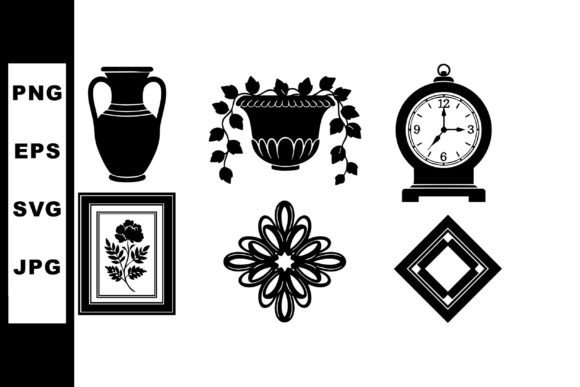
There is a timeless appeal to classic vintage decorative elements that modern minimalism often struggles to replicate. When you look at a well-curated set featuring a vase, a flowerpot with lush leaves, an antique clock, framed floral art, and intricate ornamental designs, you are seeing more than just shapes; you are seeing history and character condensed into black silhouettes. These assets, often available in comprehensive vector packages including SVG, EPS, JPG, and PNG formats, offer creators a shortcut to elegance. However, simply downloading a ZIP file and dragging these images onto a canvas is rarely enough to produce professional results. Many beginners and even seasoned professionals stumble over specific pitfalls when integrating these vintage motifs into contemporary workflows, leading to projects that feel dated rather than timeless, or worse, technically flawed.
The primary allure of this Collection of Classic Vintage Decorative items lies in their versatility. A black silhouette style provides high contrast and clarity, making it ideal for everything from laser cutting and vinyl plotting to web design and branding. Yet, a common misunderstanding arises regarding the "one-size-fits-all" nature of these files. Users often assume that because an image is a vector (SVG or EPS), it will automatically look perfect at any scale and in any context. This is not always true. While vectors are mathematically scalable, the complexity of the original design matters. An ornamental design with incredibly fine lines might render beautifully on a large poster but could vanish entirely when shrunk down for a social media icon or a small product label. Before committing to a design direction, always test your chosen element at its intended final size. If the details of the diamond shape or the leaves in the flowerpot begin to blur or merge, you may need to simplify the graphic or choose a different variation within the collection that offers bolder lines.
Another frequent error involves the misuse of file formats based on convenience rather than necessity. It is tempting to grab the JPG or PNG files included in the download because they open instantly in any viewer. However, relying on raster images (JPG/PNG) for print projects or scalable web graphics undermines the very purpose of buying a vector collection. Raster images have fixed resolutions; enlarging them leads to pixelation and a loss of the crisp, elegant edges that define the vintage aesthetic. Conversely, using complex SVGs for simple email headers can sometimes cause rendering issues across different email clients that do not support advanced vector code. The best approach is to match the file type to the medium strictly. Use EPS or SVG for anything going to print, signage, or responsive websites where scaling is required. Reserve the JPG and PNG versions for static social media posts, quick mockups, or situations where you need a transparent background immediately without editing software.
Designers also often overlook the importance of context when applying these classic elements. A silhouette of a clock or framed floral art carries heavy stylistic weight. Placing these directly onto a neon-colored, ultra-modern background without a bridging design element can create visual dissonance that confuses the viewer. The vintage style suggests heritage, quality, and warmth. If you are a small business owner creating a logo, ensure that the rest of your brand identity—fonts, color palette, and layout—harmonizes with the vintage vibe. Forcing a classic vase silhouette into a tech-startup pitch deck without adjusting the surrounding typography can make the slide look cluttered and inconsistent. Instead, consider using these decorative items as subtle accents rather than focal points if your overall brand is modern. A small ornamental divider or a faint watermark of the diamond shape can add sophistication without overpowering your core message.
Furthermore, there is a technical nuance regarding the "black silhouette" style that many users miss. Because these images are solid black, they rely entirely on negative space to define their forms. When placing them over busy backgrounds or photographs, the details can get lost. A flowerpot with leaves might blend indistinguishably into a garden photo behind it. To avoid this, always ensure there is sufficient contrast between your decorative element and its background. If you must place it over a complex image, consider adding a solid color circle or square behind the silhouette to create a badge-like effect. This not only preserves the integrity of the design but also frames the vintage item, giving it the prominence it deserves. Additionally, remember that "black" does not have to mean strictly #000000. Changing the silhouette to a deep navy, charcoal, or even a muted gold can soften the look and better integrate it into a specific color scheme while maintaining the sharp definition of the vector paths.
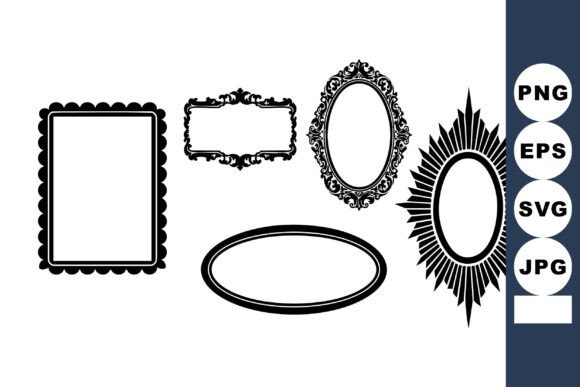
For entrepreneurs and marketers, the temptation to use these assets exactly as found in the preview images is strong, but customization is key to standing out. Since the collection includes multiple items like vases, clocks, and floral art, there is an opportunity to combine them in unique ways. Do not just use the framed floral art as a standalone image; extract the flowers and pair them with the ornamental design to create a custom border. Many users fail to realize that vector files allow for this kind of manipulation. By ungrouping elements in software like Adobe Illustrator or Inkscape, you can reassemble parts of the clock and the vase to create a wholly new composition that fits your specific narrative. This level of customization prevents your marketing materials from looking generic, especially since popular stock collections are used by thousands of other creators.
Finally, before finalizing any project, check the licensing terms associated with the downloadable ZIP. While most collections allow for commercial use, some may have restrictions on how the files can be redistributed or modified. Ensure you are not inadvertently violating terms by selling the raw files or using them in a way that implies endorsement by the original artist. Taking a moment to read the license protects your business from legal headaches down the road. By respecting the technical limitations, understanding the stylistic implications, and creatively adapting the Collection of Classic Vintage Decorative items, you transform a simple download into a powerful tool for storytelling. Whether you are a hobbyist making wedding invitations or a professional designer crafting a brand identity, these vintage silhouettes offer a bridge to the past that, when used correctly, elevates the quality and emotional resonance of your work.