Integrating Decorative Islamic Window and Ornate Arabia Assets into Professional Design Workflows
In the realm of architectural visualization, interior design, and digital content creation, the integration of culturally rich elements requires both aesthetic sensitivity and technical precision. The concept of a Decorative Islamic Window paired with the broader theme of Ornate Arabia represents more than just a visual style; it is a specific asset class that demands careful handling within a professional workflow. Whether you are a graphic designer preparing a marketing campaign for a luxury resort, an architect rendering a heritage restoration project, or a hobbyist creating custom invitations, understanding how to effectively deploy these assets is crucial for maintaining quality and efficiency.
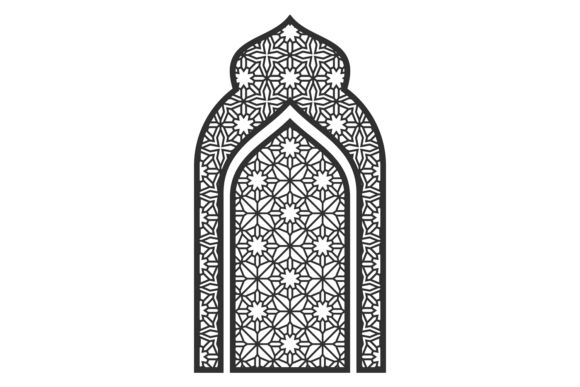
The specific asset often described as a "Decorative Islamic Window. Ornate Arabia"—frequently available as an ornate Arabian door shape isolated on a white background in formats like EPS, JPG, SVG, and transparent PNG—serves as a versatile building block. However, its value is only realized when it is seamlessly woven into the broader creative process. This article explores how to plan, execute, and refine projects using these intricate geometric and floral motifs, ensuring they enhance rather than complicate your output.
Pre-Production: Asset Selection and Compatibility
Before a single pixel is edited or a vector path is drawn, the planning phase dictates the success of the final product. When working with Ornate Arabia themes, the first step involves selecting the correct file format based on the intended medium. This decision impacts every subsequent stage of the workflow.
For print media, such as high-end brochures, packaging, or large-scale signage, the EPS (Encapsulated PostScript) version of the decorative window is indispensable. Vector files allow for infinite scalability without loss of resolution, ensuring that the delicate latticework and arabesque curves remain crisp whether printed on a business card or a building façade. In contrast, for web design, social media graphics, or rapid prototyping, the transparent PNG offers immediate usability. It eliminates the need for manual background removal, saving valuable time during the assembly phase.
Compatibility checks are essential during this preparation stage. Designers must verify that the color profile of the asset matches the project requirements—CMYK for print and RGB for digital screens. A common pitfall is importing a JPG version with a white background into a dark-themed UI mockup, which necessitates extra masking steps. By prioritizing the SVG or transparent PNG early in the process, creators can maintain a cleaner layer structure and avoid destructive editing later.
Integration During the Creative Process
Once the assets are selected, the focus shifts to integration. The Decorative Islamic Window is rarely used in isolation; it interacts with typography, photography, and other graphical elements. Effective implementation requires treating these ornate shapes as structural components rather than mere decorations.
Layering and Composition
In architectural rendering or interior design mockups, these window shapes can serve as light filters or framing devices. By overlaying a semi-transparent SVG of an ornate Arabian door shape onto a photograph of a modern room, designers can simulate the effect of traditional Mashrabiya screens. This technique adds depth and cultural context without requiring complex 3D modeling. The key here is opacity control and blending modes. Using "Multiply" or "Overlay" modes in image editing software allows the texture of the underlying surface to show through the cutouts of the window design, creating a realistic interplay of light and shadow.
Brand Identity and Marketing
For marketers and brand strategists targeting regions in the Middle East or promoting heritage tourism, the Ornate Arabia aesthetic provides a powerful visual shorthand. When developing a brand identity, the decorative window element can be abstracted to create patterns for backgrounds, borders for certificates, or icons for navigation menus. Consistency is vital; the same stroke weight and geometric logic found in the main window asset should be reflected in secondary graphics. This ensures that the brand feels cohesive and authentic rather than disjointed.
Furthermore, these assets can guide the layout itself. The symmetrical nature of Islamic geometry often lends itself to centered compositions. Aligning headlines and call-to-action buttons with the central axis of an ornate door shape can create a sense of balance and harmony that resonates subconsciously with the viewer.
Technical Execution and Quality Control
Maintaining high standards throughout the production phase requires attention to detail, particularly when dealing with intricate details inherent in Islamic art. The complexity of the geometric patterns means that small errors in alignment or scaling can disrupt the visual rhythm.
- Resolution Management: Always start with the highest resolution source file. If using a JPG, ensure it is large enough to prevent pixelation when scaled. Preferably, convert raster images to vectors using tracing tools if the original vector file is unavailable, though starting with the native EPS or SVG is always superior.
- Color Consistency: Islamic art often utilizes specific palettes involving deep blues, turquoises, golds, and earth tones. Ensure that the colors applied to the decorative window asset align with the project's established color theory. Deviating too far can make the element look out of place.
- File Organization: In complex projects involving multiple assets, name layers clearly (e.g., "Window_Overlay_Main," "Arabia_Pattern_BG"). This practice facilitates easier collaboration with other team members and simplifies future edits.
Quality control also involves checking the legibility of text placed near or over these ornate shapes. The high density of lines in a decorative window can compete with typography. To mitigate this, use solid color blocks behind text or increase the spacing between the text and the intricate parts of the design. The goal is to let the Decorative Islamic Window enhance the message, not obscure it.
Post-Production and Long-Term Utility
The utility of these assets extends beyond the immediate project. A well-integrated Ornate Arabia element can become part of a reusable library for future campaigns. After completing a project, it is beneficial to archive the finalized compositions along with the source files. This creates a repository of tested combinations—such as specific color overlays or blending modes—that worked well previously.
For educators and content creators, these assets can be repurposed for teaching materials about Islamic art history or geometry. The isolated door shape on a white background is particularly useful for worksheets or presentation slides where clarity is paramount. By maintaining a structured archive, freelancers and agencies can reduce turnaround times for similar requests in the future, enhancing overall productivity.
Moreover, consider the adaptability of these designs for different mediums. A pattern derived from the window lattice might work exceptionally well on fabric for merchandise or as a texture for 3D environments. Thinking ahead about these potential applications during the initial design phase allows for a more flexible and robust final deliverable.
Optimizing Workflow Efficiency
To truly master the use of Decorative Islamic Window assets, one must optimize the surrounding workflow. Automation tools can be employed to batch-process images, applying the same mask or filter to hundreds of photos using the window shape as a template. Scripting in design software can also automate the placement of these elements across multiple pages in a document, ensuring consistent margins and alignment.
Collaboration is another area where clear processes pay off. When sharing files with clients or external partners, providing both the editable source (EPS/SVG) and a flattened preview (PNG/JPG) prevents confusion. Clear documentation regarding usage rights and licensing of the ornate assets is also part of professional due diligence, ensuring that the project remains compliant and ethical.
In conclusion, the successful deployment of Ornate Arabia and Decorative Islamic Window elements relies on a disciplined approach to asset management, technical execution, and creative integration. By treating these intricate designs as functional components of a larger system, professionals can produce work that is not only visually stunning but also efficient to create and easy to maintain. Whether enhancing a digital interface or framing a physical space, the thoughtful application of these timeless patterns bridges the gap between tradition and modern design methodology.