Evaluating Decorative Black Ornamental Vector Borders for Design Projects
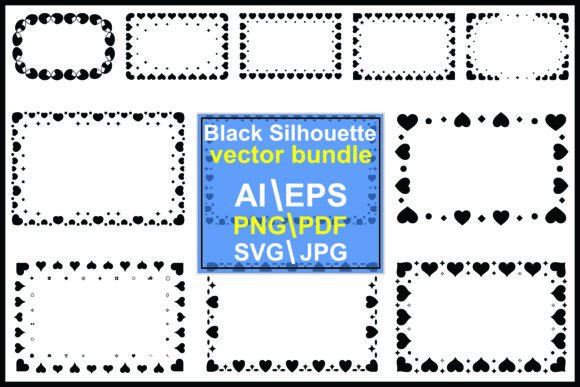
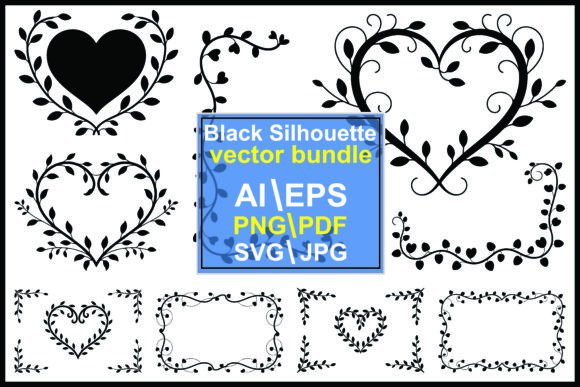
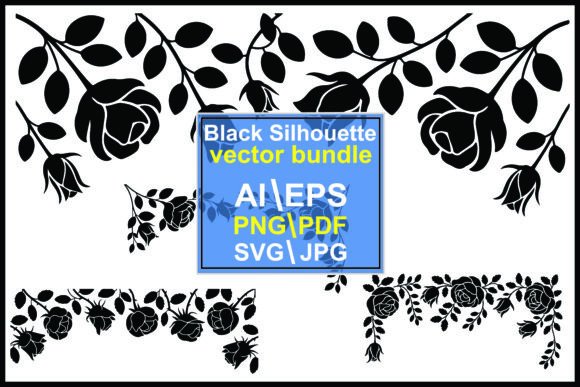
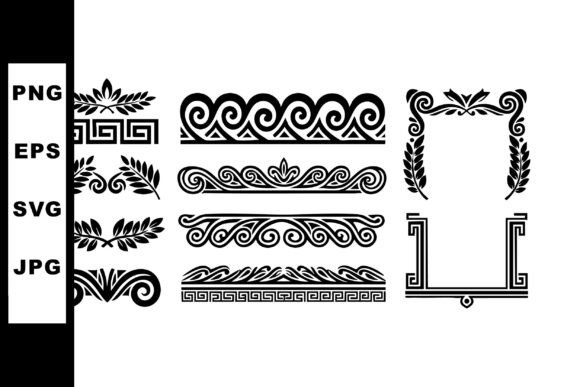
In the realm of graphic design and digital publishing, the choice of framing elements can significantly influence the perceived value and tone of a composition. A Decorative Black Ornamental Vector Borde represents a specific category of design assets characterized by high-contrast, intricate patterns rendered in scalable vector formats. These assets typically feature floral motifs, geometric arrangements, and classic filigree work, all presented in a landscape orientation to suit wide-format applications. For designers, editors, and content creators, understanding the utility, limitations, and technical specifications of these borders is essential for making informed decisions about their integration into various projects.
Defining the Asset and Its Components
At its core, this type of asset is a collection of decorative frames designed to enclose text, images, or entire page layouts. The term "vector" indicates that the graphics are constructed using mathematical paths rather than pixel grids. This distinction is critical because it allows the border to be resized infinitely without any loss of quality or introduction of pixelation. The "black ornamental" descriptor refers to the aesthetic style: monochromatic, high-contrast designs that evoke a sense of elegance, tradition, and formality.
When evaluating a standard package for these borders, one should expect a comprehensive file suite. A typical downloadable ZIP archive will include SVG (Scalable Vector Graphics) and EPS (Encapsulated PostScript) files for professional editing in software like Adobe Illustrator or CorelDRAW. Additionally, rasterized versions in JPG and PNG formats are usually provided for immediate use in word processors, web browsers, or applications where vector editing capabilities are unavailable. The inclusion of PNG files with transparent backgrounds is particularly valuable for layering these borders over colored backgrounds or photographs without unsightly white boxes.
Strategic Applications and Use Cases
The decision to utilize a Decorative Black Ornamental Vector Borde often stems from a need to establish a specific visual hierarchy or atmospheric tone. These borders are exceptionally well-suited for projects requiring a classic or vintage aesthetic. Common scenarios include wedding invitations, formal certificates, diplomas, and menu designs for upscale dining establishments. The intricate floral and geometric patterns add a layer of sophistication that simple lines cannot achieve.
In the context of digital publishing, such as eBooks or online articles, these borders serve as effective section dividers or chapter headers. Their landscape orientation makes them ideal for framing wide content areas, ensuring that the reader's focus remains centered on the material within the frame. Furthermore, because the design is monochromatic, it integrates seamlessly into black-and-white print workflows, eliminating the risks associated with color misregistration or expensive ink usage.
Benefits of Vector Formats vs. Raster Alternatives
The primary advantage of choosing a vector-based border over a static image lies in flexibility. When working with SVG or EPS files, designers retain the ability to modify individual nodes, adjust line weights, or even recolor specific elements of the pattern if the project demands a deviation from pure black. This editability is crucial for custom branding where a slight alteration in the flourish of a leaf or the angle of a geometric shape might be necessary to align with corporate identity guidelines.
Moreover, vector files are generally smaller in file size compared to high-resolution raster images capable of matching the same level of detail. This efficiency benefits web performance when SVGs are embedded directly into code, leading to faster load times—a key factor in user experience and search engine optimization. The scalability ensures that the same asset can be used for a small business card and a large trade show banner without needing to source multiple resolution variants.
Considerations and Potential Tradeoffs
While the benefits are substantial, there are tradeoffs to consider before selecting this specific style. The "ornamental" nature of these borders means they are visually busy. In situations where the enclosed content is already dense or complex, adding an intricate frame can create visual clutter, making the overall composition feel overcrowded. Designers must exercise restraint, ensuring that the border complements rather than competes with the primary content.
Another consideration is the stylistic limitation. The classic, black-and-white aesthetic may not align with modern, minimalist, or vibrant brand identities. If a project requires a playful, neon, or ultra-modern look, a traditional ornamental border might feel disjointed or anachronistic. In such cases, the effort required to heavily modify the vector paths to fit a contemporary style might outweigh the benefit of using a pre-made asset.
Additionally, users relying solely on the JPG or PNG versions without access to vector editing software lose the ability to scale up effectively. If a user attempts to enlarge a low-resolution JPG for a large format print, the image will degrade. Therefore, it is vital to verify that the downloaded package includes the native vector files if future resizing is anticipated.
Decision-Making Insights for Selection
To determine if a Decorative Black Ornamental Vector Borde is the right fit for your project, evaluate the following criteria:
- Tone Alignment: Does the project require a sense of tradition, luxury, or formality? If the goal is to convey stability and elegance, these borders are a strong match.
- Content Density: Is the content within the frame relatively simple? Ornate borders work best when framing clear, legible text or singular focal images.
- Technical Requirements: Do you have the software to edit EPS or SVG files? If not, ensure the provided PNGs are at a sufficiently high resolution for your intended output size.
- Print vs. Digital: For print, vector formats are non-negotiable for sharpness. For digital use, check if the SVG is optimized for web rendering to maintain crisp edges on high-DPI screens.
When to Consider Alternatives
There are distinct scenarios where alternative design elements may yield better results. If the objective is to create a subtle separation without drawing attention away from the content, a simple rule line or a faint watermarked background might be more appropriate. Similarly, for projects targeting a younger demographic or utilizing a bold, colorful palette, custom-drawn illustrations or abstract geometric shapes in full color could provide a more cohesive visual language.
Furthermore, if the design workflow involves rapid prototyping where speed is prioritized over customization, using built-in border tools in word processing software might be more efficient than importing and adjusting external vector files, provided the quality requirements are modest.
Conclusion
Selecting the right framing element is a balance between aesthetic intent and technical practicality. A Decorative Black Ornamental Vector Borde offers a versatile, high-quality solution for projects demanding a touch of classic elegance. By providing files in multiple formats including SVG, EPS, JPG, and PNG, these assets cater to both professional designers and general users. However, their effectiveness depends on careful application. By weighing the visual weight of the ornamentation against the complexity of the content and ensuring the correct file formats are utilized for the intended medium, creators can leverage these borders to enhance the professionalism and visual appeal of their work without compromising clarity or usability.