Valentine Love: A Strategic Asset for Emotional Branding and Creative Communication
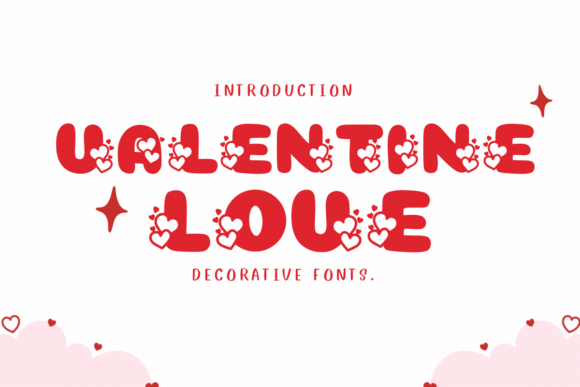
In the crowded landscape of visual communication, typography is rarely just about legibility; it is a primary vehicle for tone, emotion, and brand positioning. Valentine Love, a decorative font characterized by its fluid, handwritten aesthetic, offers more than mere ornamentation. For entrepreneurs, marketers, and creators, this typeface represents a strategic tool capable of humanizing digital interactions and elevating physical products. When deployed with intention, Valentine Love bridges the gap between corporate sterility and genuine connection, making it an essential consideration for projects requiring warmth, intimacy, or a personal touch.
The utility of Valentine Love extends far beyond its obvious application in romantic contexts. While its name suggests a niche focus on affection, its structural versatility allows it to serve broader business and creative goals. From drafting internal notes that foster a collaborative culture to designing high-conversion greeting cards, the font's ability to mimic natural handwriting injects a layer of authenticity that standard sans-serif or serif typefaces often lack. In an era where consumers crave transparency and human connection, leveraging a typeface that feels "written by hand" can significantly enhance customer experience and brand loyalty.
Strategic Positioning Through Typography
Effective branding relies on consistency and emotional resonance. When you choose Valentine Love for your visual assets, you are making a deliberate decision to position your brand as approachable, caring, and detail-oriented. This is particularly valuable for small business owners and freelancers who need to differentiate themselves from larger, impersonal competitors. A bakery using Valentine Love on its packaging signals artisanal care; a life coach using it in social media graphics conveys empathy and understanding.
However, strategic use requires discernment. The font should not be applied randomly across all touchpoints. Instead, consider it a specialized instrument in your design toolkit. Use it to highlight key messages, create emotional anchors in marketing campaigns, or soften the edges of a rigid corporate identity. For instance, incorporating Valentine Love into the header of a newsletter can make the content feel like a personal letter rather than a mass broadcast, potentially increasing open rates and engagement.
Enhancing Customer Experience and Engagement
Customer experience (CX) is defined by the sum of all interactions a person has with a brand. Typography plays a subtle yet powerful role in shaping these perceptions. When customers receive a thank-you card, a holiday greeting, or even a branded mug featuring Valentine Love, the psychological impact is immediate. The script suggests that time was taken to craft the message, fostering a sense of value and appreciation.
- Greeting Cards and Stationery: This is the most direct application. Using Valentine Love for seasonal cards or personalized notes adds a layer of sincerity that printed block letters cannot achieve.
- Packaging and Merchandise: Applying the font to mugs, shirts, or product labels transforms generic items into keepsakes. It implies a boutique quality that justifies premium pricing.
- Social Media Content: In a feed dominated by bold, aggressive marketing visuals, a post utilizing Valentine Love stands out through softness and elegance, encouraging users to pause and engage.
For marketers, the goal is to move the audience from passive observation to active emotional involvement. Valentine Love facilitates this by triggering associations with personal correspondence and cherished memories. When used in call-to-action buttons or promotional banners for events like weddings, anniversaries, or Mother's Day, it aligns the visual language with the user's intent, thereby improving conversion potential.
Operational Efficiency and Internal Culture
Beyond external communications, Valentine Love can influence internal operations and organizational culture. While it may seem counterintuitive to use a decorative font for business processes, its application in specific internal contexts can boost morale and creativity. For educators and team leaders, using this font for motivational quotes, birthday acknowledgments, or informal meeting agendas can break down hierarchical barriers and promote a more relaxed, innovative atmosphere.
Consider the use of Valentine Love in digital planners or diary templates sold by productivity coaches. The aesthetic encourages users to treat their planning not as a chore, but as a reflective, personal practice. This shifts the user mindset from rigid task management to holistic goal setting. For publishers creating journals or planners, integrating this font into the design can increase the perceived value of the product, appealing to hobbyists and professionals seeking a balance between structure and creativity.
Decision-Making Frameworks for Font Selection
Before committing to Valentine Love for a major project, decision-makers must evaluate the context against their strategic objectives. Not every brand voice benefits from a script font. The following framework helps ensure intentional usage:
- Audience Alignment: Does your target demographic respond well to emotional, human-centric design? If your audience values precision, technical authority, or minimalism (e.g., in legal or heavy industrial sectors), this font may undermine your credibility.
- Legibility vs. Atmosphere: Decorative fonts often sacrifice some readability for style. Ensure that when used for body text or critical information, the size and contrast are sufficient. Reserve Valentine Love for headlines, short phrases, or decorative elements where the mood takes precedence over rapid scanning.
- Brand Consistency: How does Valentine Love interact with your existing logo and color palette? It should complement, not clash. Pairing it with a clean, neutral sans-serif for body copy often creates a balanced, professional look that retains the emotional hook of the script.
Failing to consider these factors can lead to mixed messaging. A financial advisory firm using Valentine Love for its main website headers might appear unprofessional or frivolous, damaging trust. Conversely, a florist or wedding planner ignoring the emotional weight of such a font might miss an opportunity to connect deeply with clients during significant life moments.
Risks of Unintentional Application
The greatest risk in using Valentine Love lies in its potential to appear clichéd or overly sentimental if not grounded in a clear strategy. Overuse can dilute its impact, making a brand feel dated or insincere. "Keyword stuffing" in design—forcing the font into every available space without regard for white space or hierarchy—results in visual noise that confuses the viewer.
Furthermore, relying on the font to carry a weak message is a common pitfall. No amount of beautiful typography can salvage poor copy or a flawed value proposition. The font should amplify a strong core message, not substitute for one. Entrepreneurs must ensure that the warmth conveyed by the typeface is matched by genuine customer service and product quality. If the visual promise of care is not met by the actual user experience, the disconnect can lead to greater dissatisfaction than if a neutral font had been used initially.
Long-Term Value and Adaptability
Investing in a versatile asset like Valentine Love pays dividends over time. Unlike trend-driven fonts that fade quickly, a well-executed handwritten style tends to remain relevant because it taps into the timeless human desire for connection. For content creators and bloggers, having a licensed, high-quality script font allows for the creation of a cohesive visual library that grows with the brand.
As businesses expand into new markets or launch new product lines, Valentine Love can adapt. It works equally well on a digital banner promoting a webinar on relationships as it does on a physical shirt sold at a community event. This adaptability reduces the need for frequent rebranding, saving resources and maintaining brand recognition. The key is to view the font not as a temporary decoration but as a foundational element of your visual identity strategy.
Ultimately, the decision to use Valentine Love should be driven by a desire to communicate with clarity and heart. Whether you are designing a diary entry, crafting a marketing campaign, or labeling a product, the goal is to resonate with the human on the other side. By approaching this font with strategic foresight and practical discipline, you transform a simple design choice into a powerful lever for achieving better business results and fostering lasting relationships.
In conclusion, Valentine Love is more than a decorative element; it is a conduit for emotion in a increasingly digital world. When used thoughtfully, it enhances branding, improves customer experience, and supports creative goals. However, its power demands respect and intentionality. Avoid the trap of using it simply because it looks nice; instead, deploy it where its unique characteristics solve a communication problem or elevate a brand narrative. By doing so, you ensure that every note, card, and design contributes meaningfully to your long-term success.