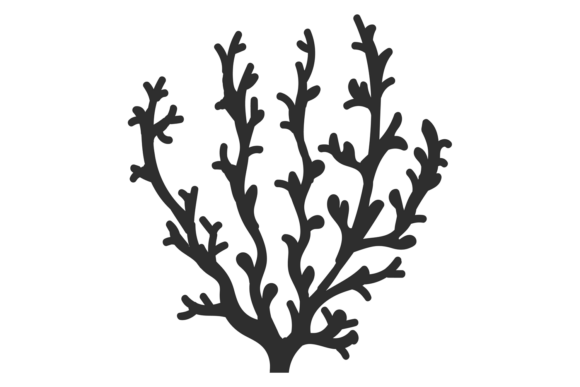
Transforming Your Underwater World with Coral Reef Branch Decorative Aquarium Elements
Creating a captivating aquatic environment goes far beyond simply filling a tank with water and fish. For aquarium enthusiasts, the visual appeal of the habitat is just as critical as the water chemistry. One of the most effective ways to achieve a stunning, naturalistic look is by incorporating structured hardscape elements. Specifically, the Coral Reef Branch. Decorative Aquarium E has emerged as a versatile solution for hobbyists looking to elevate their tank's aesthetic while providing functional benefits for their aquatic life. Whether you are setting up a saltwater reef system or a freshwater biotope that mimics tropical waters, understanding how to utilize these decorative silhouettes can transform a bland glass box into a thriving underwater ecosystem.
Understanding the Role of Decorative Silhouettes
At its core, the Coral Reef Branch. Decorative Aquarium E represents a stylized yet functional interpretation of natural coral structures. In the context of aquarium design, "E" often refers to a specific element type or edition within a series of decorative assets, designed to offer a distinct silhouette that stands out against the background. Unlike live corals, which require precise lighting, flow, and nutrient levels to survive, these decorative branches offer an immediate visual impact without the biological maintenance demands.
These elements are typically available in various digital and physical formats, including EPS, JPG, SVG, and transparent PNG files for design purposes, or as physical resin and ceramic ornaments for the tank itself. The "silhouette isolated on white background" description highlights the clean, defined shape of the branch, making it easy for aquascapers to visualize placement and layering before committing to a layout. This clarity is essential for planning complex scapes where depth and perspective are key.
Addressing Common Aquarium Design Challenges
Many aquarium keepers face specific challenges when trying to create a balanced and engaging environment. A common issue is the "flat" look, where the tank lacks depth and appears two-dimensional from the viewing angle. Another frequent problem is the lack of adequate hiding spots for fish, leading to stress and aggressive behavior. Furthermore, beginners often struggle with maintaining live coral, resulting in unsightly dead spots that ruin the tank's appearance.
The Coral Reef Branch. Decorative Aquarium E addresses these situations directly. By introducing a structured, branching element, you instantly create vertical interest and break up the horizontal lines of the substrate and water surface. The intricate nooks and crannies inherent in a branch design provide essential shelter for shy species, allowing them to establish territories and feel secure. For those who have struggled with live coral mortality, these decorative alternatives ensure that the structural beauty of the reef remains intact regardless of water parameter fluctuations.
Practical Applications and Aquascaping Outcomes
Implementing the Coral Reef Branch. Decorative Aquarium E into your setup involves more than just dropping it in; it requires strategic placement to maximize both aesthetics and utility. Here are several practical ways to utilize this element:
- Creating Depth and Perspective: Place larger branches toward the back corners of the tank and smaller fragments toward the front. This technique, known as forced perspective, makes the aquarium appear larger and deeper than it actually is.
- Defining Territories: Use the branches to visually separate different zones of the tank. This is particularly useful in community tanks where semi-aggressive species need clear boundaries to reduce conflict.
- Anchoring Live Plants and Corals: In mixed setups, the sturdy structure of the decorative branch can serve as an anchor point. You can attach lightweight live plants or hardy coral frags to the branches, combining the permanence of the decor with the growth of living organisms.
- Background Enhancement: If you are using a 2D background image, positioning a 3D Coral Reef Branch. Decorative Aquarium E in front of it bridges the gap between the flat image and the three-dimensional foreground, creating a seamless transition.
The outcome of using these elements is a dynamic environment that encourages natural behaviors. Fish are more likely to explore, spawn, and display vibrant colors when they feel secure within a complex structure. Additionally, the static nature of the decor means your hardscape layout remains consistent, providing a stable foundation for the evolving biological components of your tank.
Tailored Approaches for Different Users
Different types of aquarists will approach the integration of the Coral Reef Branch. Decorative Aquarium E in unique ways, depending on their specific goals and expertise levels.
The Beginner Hobbyist: For those new to the hobby, the primary goal is often stability and ease of maintenance. Beginners benefit immensely from these decorative elements because they eliminate the risk of coral bleaching or disease. They can focus on mastering water parameters and fish care without worrying about keeping delicate live structures alive. The recommendation here is to choose inert materials like high-quality resin that do not alter water chemistry.
The Advanced Reef Keeper: Experienced keepers often use decorative branches as "skeletons" for their reefs. They might place the Coral Reef Branch. Decorative Aquarium E strategically to fill gaps while waiting for live corals to grow and cover the structure. This approach allows for an instant "mature" look while the biological load gradually increases. These users might also utilize the digital assets (SVG or PNG) to plan their layouts digitally before purchasing physical rocks or ornaments.
The Photographer and Content Creator: For those focused on aquarium photography or digital design, the clean silhouette of these elements is invaluable. The availability of transparent PNGs and vector files allows creators to composite realistic aquarium scenes for marketing materials, educational content, or virtual backgrounds without needing a physical setup for every shot.
Recommendations for Selection and Maintenance
When selecting a Coral Reef Branch. Decorative Aquarium E for your tank, material safety is paramount. Always ensure that the product is labeled as aquarium-safe and non-toxic. Cheap plastics can leach harmful chemicals into the water, endangering your livestock. Look for products made from cured resin, ceramic, or natural driftwood treated for aquatic use.
Maintenance is generally straightforward but essential. Over time, algae and detritus will accumulate on the decorative branches. During your regular water change routine, gently scrub the branches with a soft brush or siphon debris from the crevices. Avoid using soap or chemical cleaners, as residues can be fatal to fish. If the decoration begins to fade or lose its structural integrity after years of submersion, it is best to replace it to maintain the visual quality of your display.
In conclusion, the Coral Reef Branch. Decorative Aquarium E is more than just a piece of plastic or resin; it is a fundamental tool for aquascaping success. By addressing common design flaws, providing essential shelter for aquatic life, and offering flexibility for users of all skill levels, these decorative elements serve as the backbone of a beautiful and functional aquarium. Whether you are aiming for a pristine show tank or a low-maintenance home feature, integrating these structured branches will undoubtedly enhance your underwater world.