Islamic Emblem Design 100-01: A Versatile Vector Collection
In the world of visual storytelling, few elements carry as much cultural weight and aesthetic grace as Islamic geometric art. When you are working on a project that requires authenticity—whether it is a Ramadan banner, an Eid greeting card, or a brand identity for a halal product line—the details matter immensely. This is where Islamic Emblem Design 100-01 steps in, offering more than just decorative clipart. It provides a structured yet fluid library of 100 vector graphics designed to bridge the gap between traditional artistry and modern design requirements.
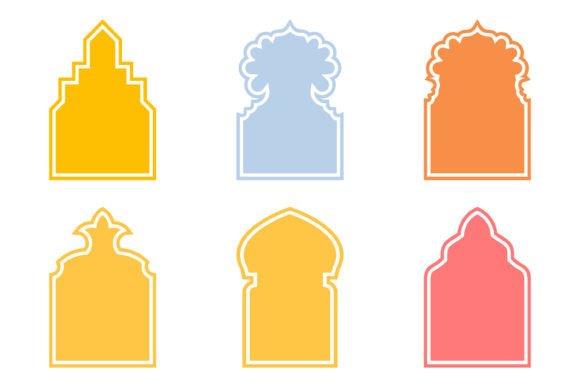
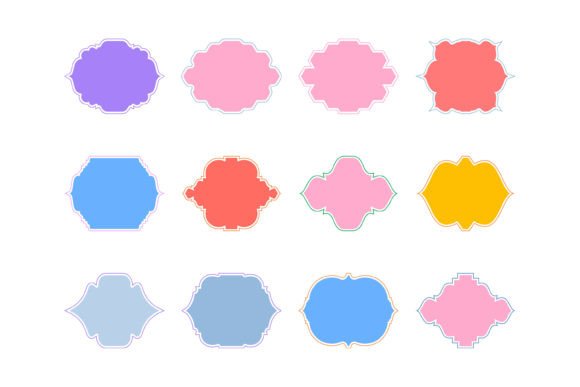
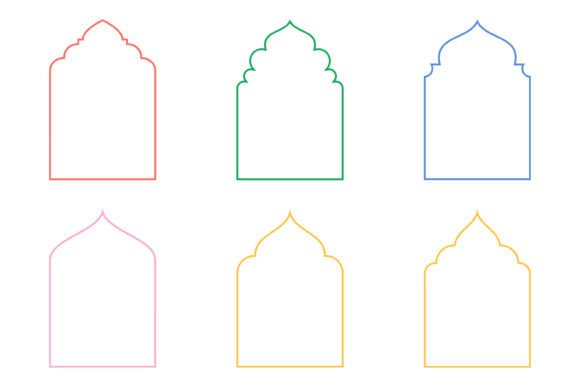
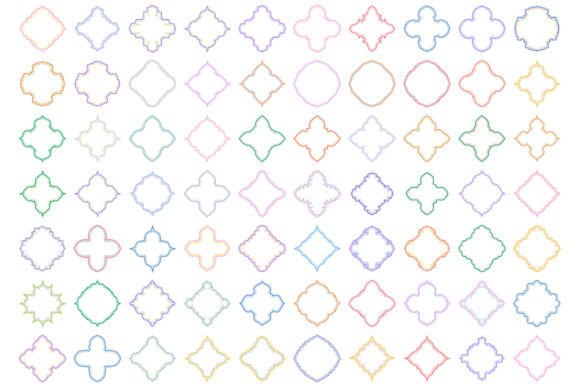
At its core, this collection is defined by its remarkable versatility in line work. Unlike many static design assets that force you into a single visual style, this set embraces diversity. You will find bold lines that command attention, perfect for headlines or primary framing elements, sitting alongside delicate thin lines that offer subtlety and refinement. The inclusion of double lines adds a layer of sophistication often seen in high-end editorial design and architectural blueprints. Furthermore, the collection plays with positive and negative space through inverted glyphs and outlined glyphs. This variety allows designers to adapt the artwork to different backgrounds without losing clarity, ensuring that the emblem remains legible whether placed on a dark social media graphic or a light-colored packaging label.
Adapting Traditional Geometry for Modern Brand Identity
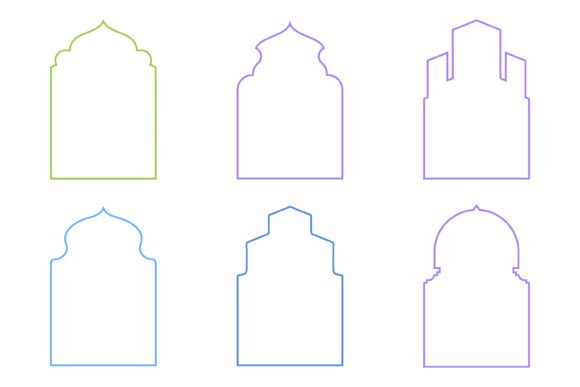
For brand strategists and marketers, consistency is key. However, maintaining consistency does not mean being repetitive. Islamic Emblem Design 100-01 supports a cohesive brand identity by providing a unified visual language that can be stretched across various touchpoints. Imagine a small business owner launching a line of organic dates or artisanal perfumes. The brand needs to communicate trust, heritage, and quality. By utilizing the vertical frame designs found in this set, one can create a logo mark that feels established and timeless.
The personality of these emblems leans towards the professional yet inviting. They avoid the overly ornate complexity that can sometimes clutter a layout, opting instead for clean, purposeful geometry. This makes them exceptionally suitable for logo design where scalability is crucial. A glyph that looks sharp on a business card must also hold up on a billboard. Because these are fully editable vectors, you can adjust the stroke weight or simplify a complex glyph to suit specific medium constraints. This flexibility is rare in pre-made design assets, which often come as flat images that degrade when resized.
Moreover, the psychological impact of these shapes cannot be overstated. Geometric patterns in Islamic art often symbolize unity and infinity. When used in packaging design or web design, these subliminal cues can enhance the perceived value of a product. Customers often associate such intricate, balanced designs with craftsmanship and care, traits that are essential for building long-term loyalty in competitive markets.
Practical Applications Across Print and Digital Media
The utility of this collection extends far beyond simple decoration. For publishers and editorial designers, the range of frames and arches offers excellent solutions for structuring content. A double-line border can effectively separate a quote from the main body text in a magazine layout, creating a clear visual hierarchy that guides the reader's eye. Similarly, the outlined glyphs serve as elegant bullet points or section dividers in digital reports and e-books, adding a touch of class without distracting from the content.
In the realm of seasonal marketing, particularly for Ramadan and Eid, the demand for authentic visuals spikes. Many designers fall into the trap of using generic, overused motifs that dilute the message. With Islamic Emblem Design 100-01, you have access to 100 unique variations. This allows for the creation of distinct social media graphics that stand out in a crowded feed. You might use a bold, solid arch for a sale announcement to ensure immediate readability, while employing a thin, intricate glyph for a heartfelt holiday wish, matching the tone of the message to the visual style.
For UI/UX designers, the challenge is often integrating cultural elements without compromising usability. The clean lines and open spaces within these emblems make them ideal for app icons, loading screens, or background patterns that do not interfere with interface functionality. Since the files are available in RGB color versions, they integrate seamlessly into digital workflows, allowing for easy color manipulation to match specific brand palettes or dark mode interfaces.
Maximizing Workflow with Editable Vector Assets
One of the most significant advantages of this collection is its technical accessibility. Designers know that time is money. Spending hours tracing a complex pattern from a low-resolution JPEG is an inefficient use of resources. This set comes in EPS and JPEG formats, with the EPS file offering full editability. You can easily change colors, modify stroke widths, or even deconstruct the glyphs to create entirely new composite shapes. This level of control transforms the asset from a static image into a dynamic design tool.
When evaluating whether a font or graphic asset fits your project, consider the end-use environment. If you are preparing files for large-format printing, such as banners or storefront signage, the vector nature of these emblems ensures crisp edges at any size. For web use, the ability to export optimized SVGs or PNGs from the source file means faster load times and sharper rendering on high-DPI screens. The inclusion of both bold and thin line weights also aids in accessibility; you can choose higher contrast options to ensure your designs are inclusive and readable for all audiences.
Furthermore, the concept of font pairing applies here even though these are graphical emblems. Think of how these glyphs interact with your chosen typeface. A modern sans serif font might pair beautifully with the clean, double-line frames, creating a contemporary fusion of old and new. Conversely, a traditional serif font could complement the more intricate, solid glyphs for a classic, heritage-focused look. Testing these combinations early in the design process can reveal unexpected synergies that elevate the overall composition.
Building a Professional Portfolio with Authentic Resources
For freelancers and creative agencies, the quality of your assets reflects directly on your professionalism. Using high-quality, culturally accurate resources like Islamic Emblem Design 100-01 demonstrates a respect for the subject matter and a commitment to excellence. It shows clients that you understand the nuances of their industry and are willing to invest in tools that deliver precision.
The commercial licensing aspect is also vital for entrepreneurs. Knowing that these designs are cleared for commercial use removes the legal ambiguity that often plagues free download sites. Whether you are designing a menu for a restaurant, a brochure for a travel agency specializing in Umrah tours, or a website for a non-profit organization, having the right to use these assets confidently is invaluable. It allows you to focus on creativity rather than worrying about copyright infringement.
Ultimately, the true value of this collection lies in its ability to inspire. The interplay of inverted and outlined glyphs challenges designers to think differently about space and form. It encourages experimentation, pushing you to move beyond standard templates and create something uniquely yours. Whether you are a seasoned graphic designer or a hobbyist looking to add a personal touch to a family invitation, these 100 vectors provide a robust foundation for endless creative possibilities. By leveraging the richness of Islamic artistry through these modern, editable tools, you can produce work that is not only visually stunning but also deeply resonant with your audience.