Evaluating the Versatility of Islamic Label and Name Frame Set 6-09 for Design Projects
Selecting the right graphical assets for cultural and religious design projects requires a keen eye for detail, authenticity, and technical flexibility. For designers working on materials for Ramadan, Eid, or general Islamic heritage themes, the Islamic Label and Name Frame Set 6-09 presents a compelling option worth evaluating. This collection is not merely a bundle of decorative borders; it is a curated assortment of arches, emblems, frames, and glyphs designed to bridge the gap between traditional artistry and modern digital application. Understanding where this specific set fits within the broader landscape of design resources can help professionals determine if it aligns with their project requirements.
Defining the Aesthetic and Structural Composition
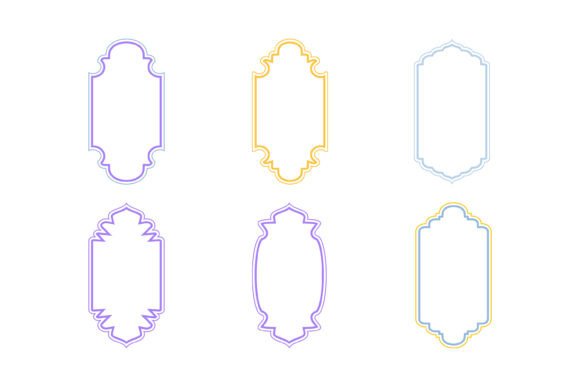
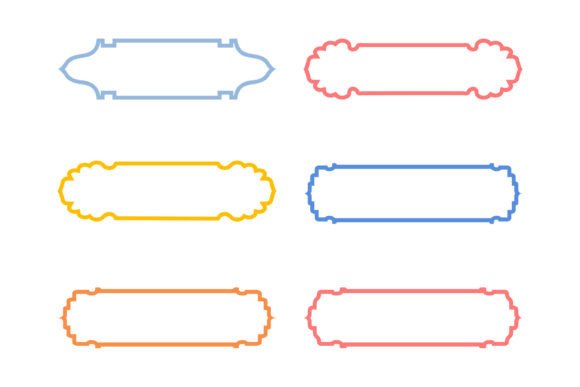
The core value of the Islamic Label and Name Frame Set 6-09 lies in its structural diversity. Unlike many generic frame packs that rely on a single line weight or style, this collection offers a spectrum ranging from bold, commanding lines to delicate, thin strokes. This variation is critical for designers who need to establish visual hierarchy. A bold line frame might be necessary for a main event banner, while a thin line variant could serve better as a subtle accent on an invitation card or a UI element.
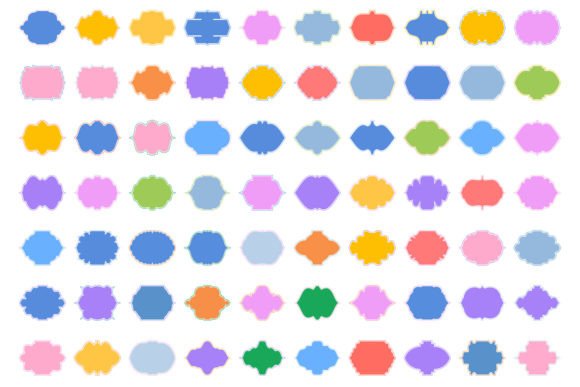
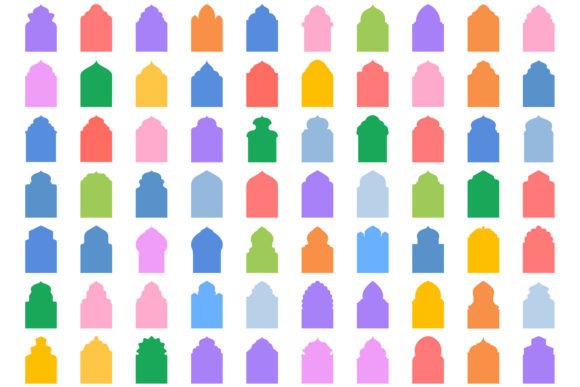
Furthermore, the inclusion of both inverted and outlined glyphs adds a layer of sophistication. In traditional Islamic geometry, the interplay between positive and negative space is fundamental. By providing options where the glyph itself is solid versus those where it is merely an outline, the set allows for greater adaptability against different background colors and textures. This duality ensures that the designer is not forced to alter the asset significantly to make it work, preserving the integrity of the original vector data.
Vertical Frames and Architectural Motifs
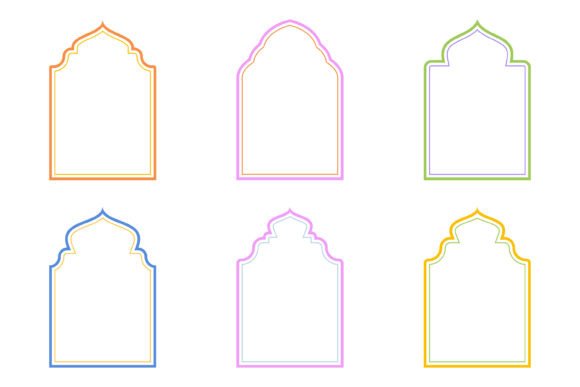
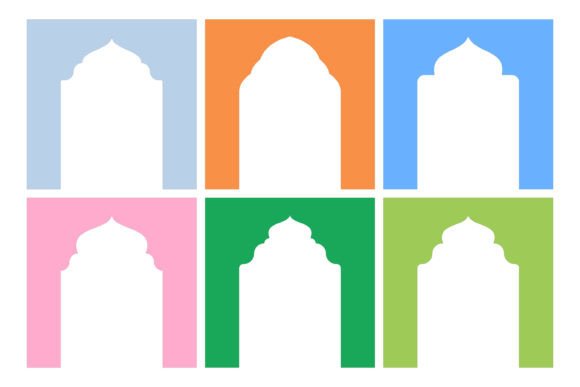
A distinct feature of this collection is its emphasis on vertical frame designs. Many standard asset libraries focus heavily on horizontal banners or square badges, often neglecting the vertical orientation required for book spines, mobile app interfaces, or hanging decorations. The Islamic Label and Name Frame Set 6-09 addresses this gap with double-line and bold-line vertical structures. These are particularly effective for creating authentic touches on Ramadan and Eid banners where verticality mimics the architectural columns found in historic mosques and madrasas.
Comparative Analysis: Vector Sets vs. Raster Alternatives
When evaluating resources for professional printing or scalable digital design, the format is just as important as the style. This set distinguishes itself by offering 100 fully editable vector graphics, primarily in EPS format, alongside JPEG previews. To understand the significance of this, one must compare it to the alternative: raster-based image packs (PNG or JPG only).
- Scalability: Vector files allow for infinite scaling without pixelation. Whether the frame is used for a small business card or a large outdoor billboard, the lines remain crisp. Raster alternatives often require multiple file sizes or result in blurry edges when enlarged.
- Editability: The ability to easily change colors is a stated feature of this set. In a vector environment, changing a stroke color or fill is instantaneous. With raster images, recoloring often requires complex masking or tracing, which can degrade quality.
- File Efficiency: While a high-resolution PNG might be large in file size, a vector EPS containing complex geometric patterns is often surprisingly lightweight, making it easier to manage within large design documents.
However, it is important to acknowledge the trade-offs. Working with vectors requires software capable of interpreting EPS files, such as Adobe Illustrator or CorelDRAW. For users restricted to basic photo editors like MS Paint or simplified online tools, the utility of these vector files diminishes unless they are first converted to raster formats, which negates some of the primary benefits.
Application Scenarios and Best-Fit Use Cases
Determining whether the Islamic Label and Name Frame Set 6-09 is the right choice depends largely on the specific nature of the project. The collection's versatility makes it suitable for a wide array of applications, but it shines brightest in contexts requiring cultural authenticity and clean lines.
Print Media and Publishing
For print designers creating brochures, Quran covers, or event programs, the precision of the bold and thin lines is essential. The "Bold Line" variants provide the ink density needed for offset printing, ensuring that fine details do not get lost during the press run. Conversely, the "Thin Line" options are ideal for foil stamping or embossing, where excessive detail can cause mechanical issues. The inclusion of RGB color versions also suggests that while the primary intent may be print, the assets are pre-optimized for digital proofing and web-based marketing materials.
UI/UX and Digital Interfaces
In the realm of User Interface (UI) and User Experience (UX) design, consistency is key. The standardized nature of the glyphs and frames in this set allows developers to create a cohesive design system for Islamic apps, such as prayer time calculators, charity platforms, or educational tools. The outlined glyphs, in particular, translate well into iconography, loading states, or section dividers within an app interface. Because the files are editable, a UX designer can strip away unnecessary elements to create a minimalist icon that retains the cultural essence without cluttering the screen.
Limitations and Decision Factors
While the Islamic Label and Name Frame Set 6-09 offers significant advantages, it is not a universal solution for every design challenge. Potential users should consider several factors before committing to this resource.
First, the aesthetic is distinctly traditional. While the execution is clean and modern-friendly, the motifs are rooted in classical Islamic geometry. For projects aiming for a hyper-modern, abstract, or fusion style that deviates significantly from traditional arches and emblems, this set might feel too conventional. Designers looking for avant-garde interpretations of Islamic art may need to supplement this set with custom illustrations or more experimental asset packs.
Second, the reliance on EPS as the primary editable format assumes a certain level of technical proficiency. Users unfamiliar with bezier curves and vector path editing may find the "editable" feature less accessible than drag-and-drop template systems found in some online design platforms. The value here is extracted by those who have the skills to manipulate the paths to fit unique layouts.
Color and Customization Constraints
The set includes RGB color versions, which is beneficial for digital work. However, professional print projects often require CMYK conversion to ensure color accuracy. While vectors can be converted, the default RGB swatches may need adjustment to meet specific brand guidelines or printing standards. Users must be prepared to perform these color management tasks to avoid unexpected shifts in hue, particularly with gold or metallic tones often associated with Eid themes.
Making an Informed Selection
Ultimately, the decision to utilize the Islamic Label and Name Frame Set 6-09 should be based on the need for high-quality, scalable, and culturally resonant design elements. It excels in environments where authenticity matters and where the flexibility of vector graphics is a prerequisite. For professionals tasked with creating diverse materials—from vertical banners for community centers to intricate UI elements for mobile applications—this collection provides a robust foundation.
Compared to sourcing individual elements or using lower-quality raster images, investing in a comprehensive vector set like this streamlines the workflow and ensures visual consistency across all deliverables. However, for those seeking non-traditional aesthetics or lacking vector editing capabilities, alternative solutions involving pre-rendered templates or stylized illustration packs may be more appropriate. By weighing the need for editability against the stylistic direction of the project, designers can effectively determine if this set serves as the ideal framework for their next creative endeavor.
For those proceeding with this resource, the availability of support through the creator's profile adds an additional layer of security, ensuring that any technical hurdles regarding file formats or usage can be resolved efficiently. This level of post-purchase support is often a differentiating factor between premium asset collections and free, unsupported downloads found elsewhere on the web.